 Compozit
The Compozit manifesto
Every project starts
in pieces.
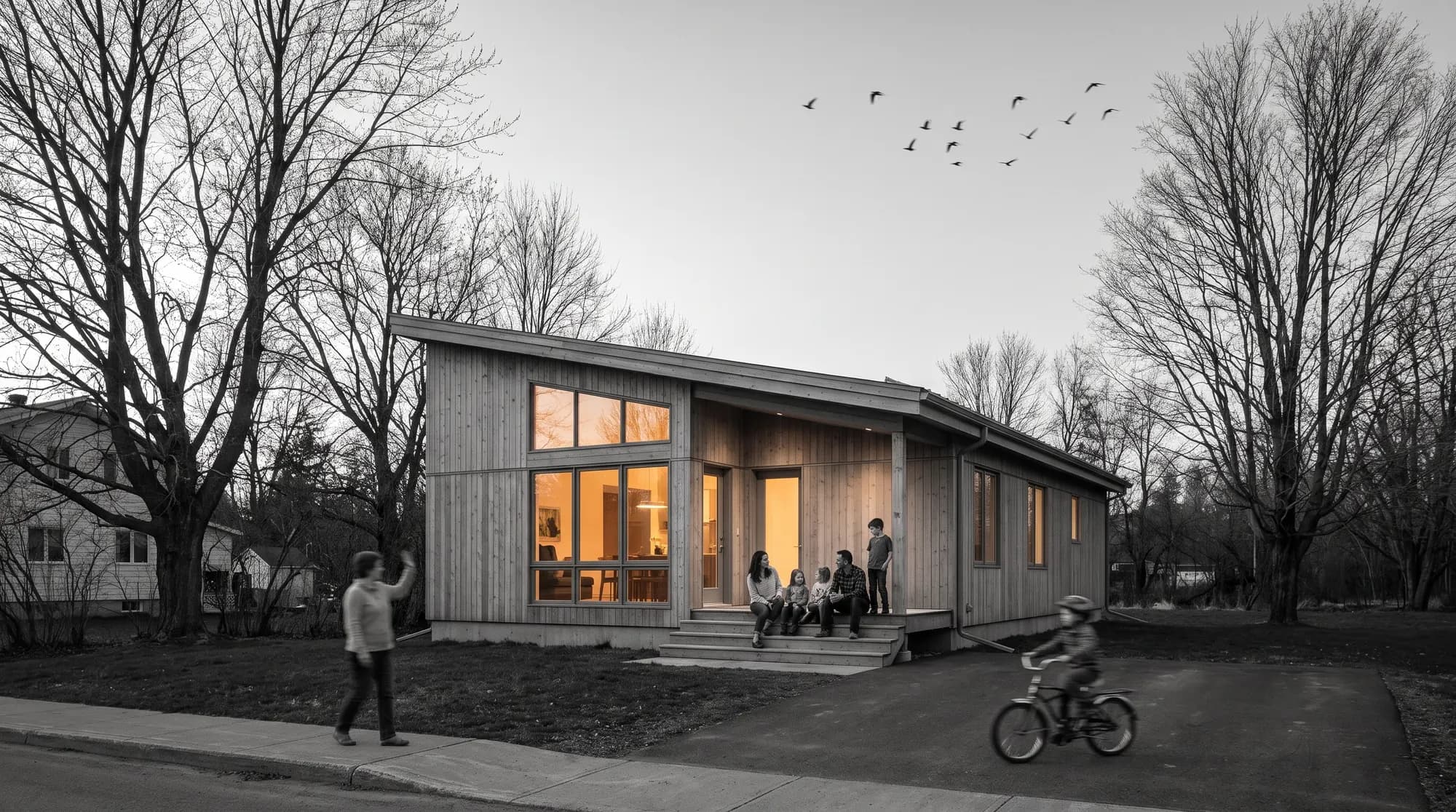
Pieces
Everything lives somewhere else.
Every home project starts this way: in pieces, spread across tabs, texts, PDFs, and memory. Each piece feels manageable on its own. Together, they do not talk to each other.
Change one thing, a price, a measurement, a rule you just found out about, and the rest quietly stop agreeing with it. Nobody notices until the plan built on top of them is already wrong.
One project
The lot, your life, and its limits, on one plan.
- 01
One context, carried the whole way
A single agent holds a living model of the project: the lot, the budget, the taste, the limits, and every decision made along the way. It carries that context from the first idea through the build and the years after. Nothing gets re-explained, and nothing resets.
- 02
Connected to what the project touches
A real project touches listing platforms, municipal permit systems, code references, material suppliers, and contractors. The agent is built to reach into those directly, on your behalf, so information flows into the project instead of leaking out of you at every handoff.
- 03
Where you already are
The agent meets you in the apps and channels you already use, on the phone, in chat, in voice. You keep the workflow you know; the agent adapts to it.
The decision
The building changes with the decision.
Move a wall, change a budget, swap a material: the plan updates with you instead of after you. Nothing has to be re-explained, because the decision and the drawing are the same object now, not two things you keep in sync by hand.
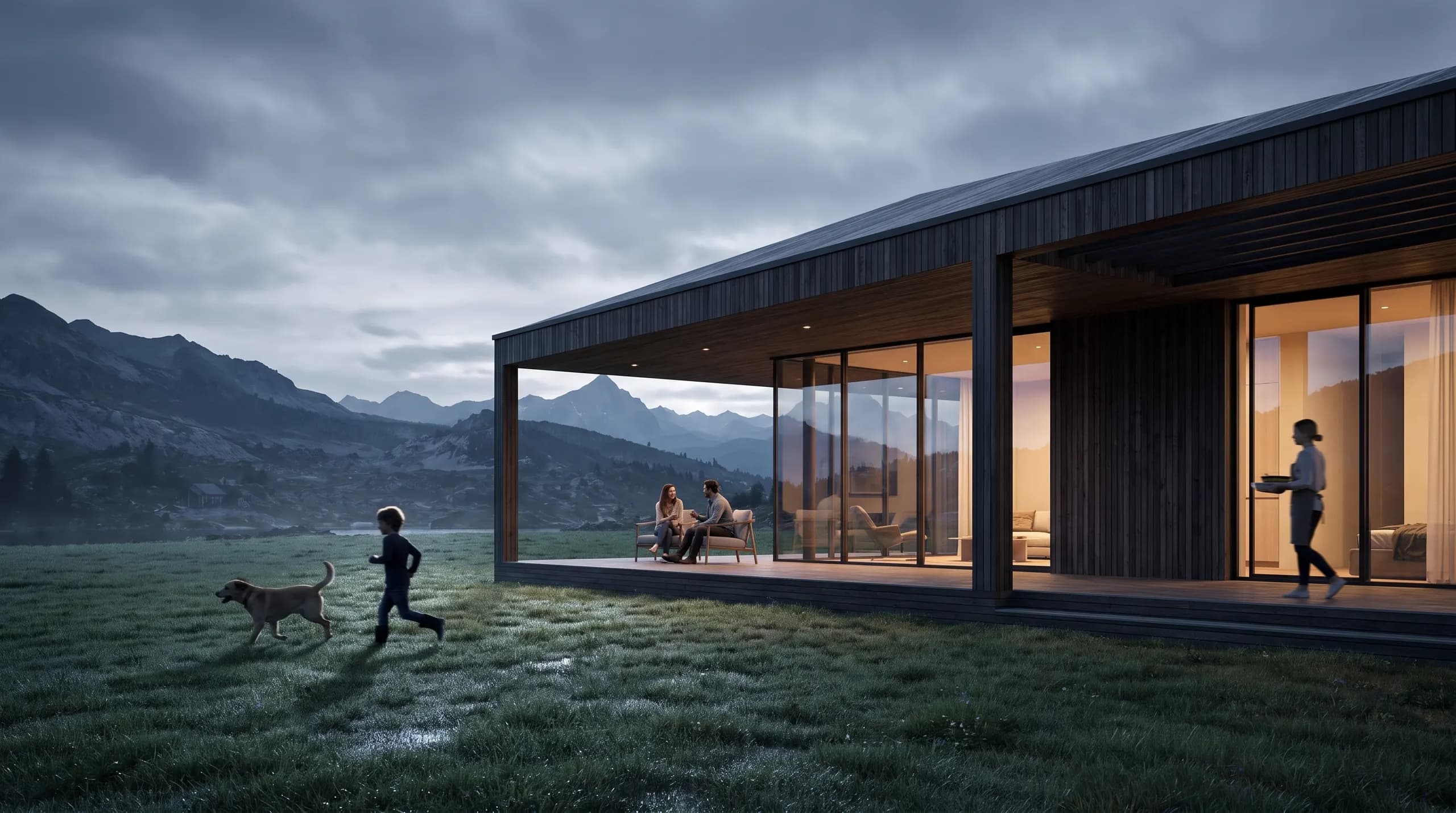
Unknown
What nobody knows yet stays marked unknown.
A bylaw nobody has confirmed. A condition behind a wall nobody has opened. A cost nobody has quoted yet. Compozit does not guess to fill the gap. It marks the gap “to verify” or “requires investigation”, and carries that mark forward on the plan until a person, not the agent, resolves it.
That discipline is slower than a confident guess. It is also the only version of the plan you can actually trust when conditions change, which they always do.
The pen
The agent proposes. You keep the pen.
Compozit suggests, checks, and carries context forward. It does not decide for you and it does not build behind your back. Every change on the plan is a decision you can see, question, and undo.
Fifteen years, one lesson
For fifteen years I watched beautiful plans die the moment conditions changed: a bylaw, a price, a delay.
That is the failure Compozit is built to end. Not a lack of good design, but a lack of memory between the parts of a project that all have to agree at once.
Sustainability
One chapter, not the whole story, but still ours.
A plan that already holds the lot, the budget, and the limits in one place is a better place to make those calls too, not a separate concern bolted on afterward.
- 01
Fewer wasted resources
A plan that already holds the budget, the site, and the limits in one place makes it easier to catch waste before it becomes a cost overrun or a delay, not after.
- 02
Materials chosen with the site in mind
Where a material comes from and how it performs on this lot, in this climate, are part of the same plan as everything else, not a separate decision made later and reconciled by hand.
- 03
Rules that inform the plan, not surprise it
Regulation changes over the life of a project. Carrying it as part of the plan, flagged and current, means it shapes a decision before it is made, instead of undoing one after.
Direction
The same method, at a larger scale.
Lot to plan, kept whole: that method does not have to stop at a single home. Long term, we think it should scale to the places we share too, a school, a library, a clinic, a station, wherever conditions change faster than the plans meant to survive them. That is a direction we are building toward, not something shipped today.